



· By Jerry Zhou
Cane Sugar vs. Corn Syrup: What the Science and Taste Buds Say
TL;DR: Key Takeaways
• Consumer Preference: 80% of taste testers prefer Mexican Coke (cane sugar) over regular Coke (HFCS) in blind studies
• Health Reality: Both sweeteners are metabolically similar, but cane sugar undergoes less processing than HFCS
• Market Trend: 65% of consumers actively prefer natural ingredients; 78% willing to pay more for "all-natural" products
• Processing Matters: Ultra-processed foods linked to 18% increased death risk per daily serving; consumers seek transparency
• Bottom Line: The sweetener debate reflects a deeper consumer shift toward natural, less-processed ingredients backed by science
Headline Summary: Recent headlines have reignited debate over sweeteners in soda. At Sparko Sweets, we believe this conversation reflects a much deeper shift: consumers want simpler, more natural ingredients—and science agrees.
The sweetener debate has captured headlines again, with discussions about replacing high-fructose corn syrup (HFCS) with real cane sugar in popular beverages. But beyond the political noise lies a fascinating question that goes to the heart of what we eat: is there really a difference between these sweeteners, and why do consumers increasingly prefer one over the other?
The Consumer Preference Revolution: What Research Actually Shows
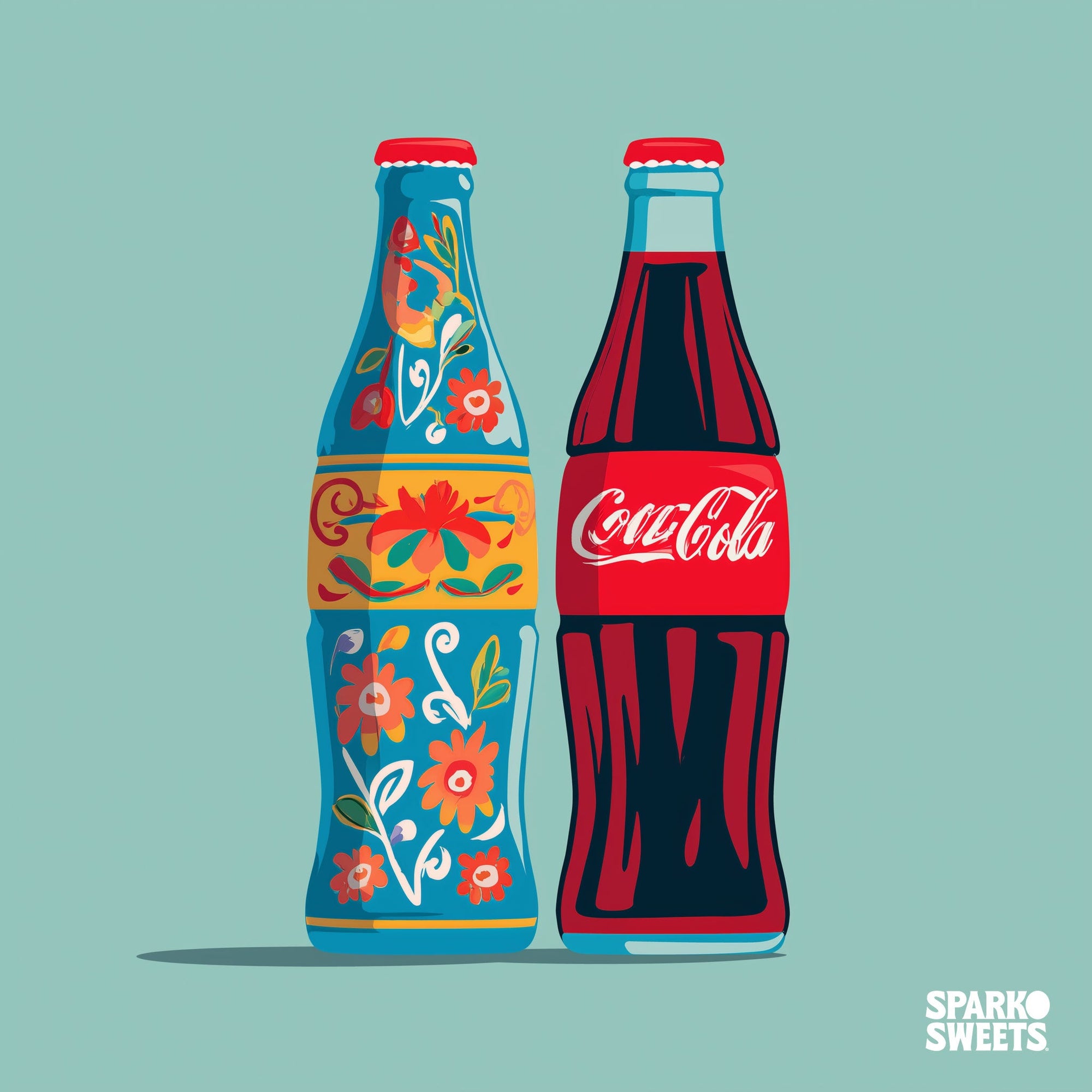
The data on consumer preferences tells a compelling story. Coca-Cola has long preferred HFCS in the U.S., largely because it's significantly cheaper than cane sugar, yet markets a premium "Mexican Coke" sweetened exclusively with cane sugar that commands higher prices.
A Huffington Post study found that 85% of participants could distinguish between Mexican Coke (made with cane sugar) and regular American Coke, with 80% preferring the taste of Mexican Coke. This consumer preference aligns with broader market trends showing 65% of consumers prefer natural ingredients in their food products.
Scientific Reality: The Metabolic Truth
When examining the metabolic evidence, both cane sugar and high-fructose corn syrup have similar health impacts when consumed in excess, especially in the form of sugar-sweetened beverages. According to research published in peer-reviewed journals, high-fructose corn syrup contains roughly 55% fructose and 40% glucose, while table sugar is 50% glucose and 50% fructose.
However, the processing story reveals important differences. Cane sugar undergoes less intensive processing than high-fructose corn syrup, offering a more natural form of sweetening. Recent studies demonstrate that 62% of consumers globally consider choosing natural foods the best way to ensure a healthy diet.
The Health Context: Why Processing Matters
Here's where things get interesting from a health perspective. While both sweeteners pack the same caloric punch, the bigger picture involves how much processing our food undergoes. Studies suggest that the more processed our diet becomes, the more our bodies seem to object.
Research shows that for each additional daily serving of ultra-processed food, there's an 18% bump in health risks. It's not just about the sugar—it's about the whole package. When foods undergo extensive processing, we tend to see connections to various health concerns, which might explain why so many people are gravitating toward simpler, more recognizable ingredients.
The American Heart Association keeps it straightforward with their recommendations: no more than 6 teaspoons of added sugar daily for women and 9 for men. Recent research found that sugary drinks alone contributed to 2.2 million new diabetes cases and 1.2 million cardiovascular disease cases worldwide in 2020—a reminder that moderation matters, regardless of the sweetener source.
The Taste Factor: What Your Palate Knows
Consumer research validates what many taste buds have been telling us. Cane sugar is often described as cleaner or more balanced in sweetness, while HFCS is said to have a slightly heavier or syrupy profile. The packaging also matters: glass bottles help maintain a fresher flavor for longer periods compared to plastic bottles or aluminum cans, which can affect taste.
Blind taste tests consistently show that people can detect differences between the two sweeteners, suggesting that the preference for cane sugar isn't just psychological but reflects genuine sensory differences.
Natural Ingredients: The Market Demand
The consumer shift toward natural ingredients represents more than just preference—it's a fundamental market transformation. 78% of consumers say they would pay more for products listed as all-natural, with 56% willing to pay 10-30% more. Additionally, 48% of consumers "often" or "always" check ingredient lists and nutrition facts.
This trend reflects deeper health consciousness: 64% of consumers say they try to reduce their consumption of processed foods because they are less healthy. The movement toward cleaner labels and recognizable ingredients has reshaped entire food categories.
Our Philosophy at Sparko Sweets: Authenticity in Every Pop
Here at Sparko Sweets, our philosophy aligns with scientific research supporting natural ingredients. Our Honey Lollipops exemplify this commitment, crafted exclusively from pure cane sugar and California wildflower honey—containing zero artificial ingredients or corn syrup.

According to market analysis from our comprehensive audience research, health-conscious consumers actively seek products with recognizable, natural ingredients, driving premium pricing in the artisanal candy market. Our Galaxy and Honey Lollipop lines specifically target this growing demographic of consumers who value transparency and quality.
The Bigger Picture: Food Transparency Matters
Research consistently demonstrates that consuming too much added sugar can raise blood pressure and increase chronic inflammation, both pathological pathways to heart disease. The evidence suggests that reducing consumption of highly processed foods can decrease cardiovascular disease risk.
The sweetener debate highlights crucial discussions about food transparency and processing. Consumers are no longer simply trying wellness trends but rather asking, "What does the science say?" This shift toward evidence-based food choices represents a maturing of consumer consciousness about nutrition and health.
Bottom Line: The cane sugar versus corn syrup debate isn't necessarily about one sweetener being dramatically healthier than the other. Instead, it reflects a broader consumer movement toward foods that feel intuitive, authentic, and naturally delicious. When consumers can pronounce every ingredient and understand its origin, they're making choices that align with both their values and their well-being. As research shows, consumers are increasingly aware of health impacts and actively seeking natural alternatives—making informed choices about sweetener sources more important than ever.
At Sparko Sweets, we believe in transparency, natural ingredients, and creating sweet moments without compromise.
Citations and Sources
Huffington Post Coca-Cola Taste Test: https://www.huffpost.com/entry/coca-cola-taste-test_n_1324282
- Study showing 85% could distinguish and 80% preferred Mexican Coke
Business Dasher Health-Conscious Consumer Statistics: https://www.businessdasher.com/health-conscious-consumer-statistics/
- 65% prefer natural ingredients in food products
CBS News Expert Analysis: https://www.cbsnews.com/news/cane-sugar-coke-healthier-corn-syrup-experts/
- Similar health impacts of both sweeteners when consumed in excess
Signos Health Research: https://www.signos.com/blog/cane-sugar-vs-high-fructose-corn-syrup
- HFCS composition (55% fructose, 40% glucose) vs cane sugar (50% each)
Innova Market Insights Natural Ingredient Trends: https://www.innovamarketinsights.com/trends/natural-ingredient-trends/
- 62% of consumers choose natural foods for health; 64% try to reduce processed foods
Harvard Nutrition Source: https://nutritionsource.hsph.harvard.edu/processed-foods/
- Ultra-processed foods linked to 18% increased death risk per daily serving
American Medical Association: https://www.ama-assn.org/delivering-care/public-health/what-doctors-wish-patients-knew-about-ultraprocessed-foods
- Ultra-processed foods linked to 30+ health conditions; 31% higher mortality
Harvard School of Public Health: https://nutritionsource.hsph.harvard.edu/carbohydrates/added-sugar-in-the-diet/
- American Heart Association sugar intake recommendations
Tufts University Study: https://now.tufts.edu/2025/01/06/new-study-links-millions-diabetes-and-heart-disease-cases-globally-sugary-drinks
- 2.2 million diabetes and 1.2 million cardiovascular disease cases from sugary drinks
The Week Analysis: https://www.theweek.in/news/biz-tech/2025/07/18/will-mexican-coke-become-the-new-standard-trump-calls-for-coca-cola-to-replace-corn-syrup-with-cane-sugar.html
- Taste differences between cane sugar and HFCS
Florida Politics: https://floridapolitics.com/archives/545063-study-finds-u-s-sugar-industry-provides-23b-economic-impact/
- Florida sugar industry: 19,201 jobs, $4.7 billion economic impact
American Sugar Alliance: https://sugaralliance.org/americas-sweetest-industry-supports-151000-jobs-23-billion-economic-impact/
- National impact: 151,000 jobs, $23 billion economic contribution
Statista Sugar Production: https://www.statista.com/statistics/191975/sugarcane-production-in-the-us-by-state/
- Florida sugar cane production data (17.9 million tons in 2023)
Ingredion Consumer Trends: https://www.ingredion.com/na/en-us/be-whats-next/2023-consumer-food-preference-trends.html
- 78% willing to pay more for "all-natural"; 56% willing to pay 10-30% premium
Food Industry Executive: https://foodindustryexecutive.com/2025/02/2025-consumer-food-trends-prioritizing-health-and-nutrition/
- 48% of consumers check ingredient lists and nutrition facts
Harvard Health: https://www.health.harvard.edu/heart-health/the-sweet-danger-of-sugar
- Sugar's cardiovascular effects: blood pressure and inflammation
American Heart Association Circulation: https://www.ahajournals.org/doi/10.1161/cir.0000000000000510
- Dietary patterns and cardiovascular disease research
McKinsey Future of Wellness: https://www.mckinsey.com/industries/consumer-packaged-goods/our-insights/the-trends-defining-the-1-point-8-trillion-dollar-global-wellness-market-in-2024